
Discover the Best Foundation Type for Your Area
Orlando’s unique mix of clay soils, heavy rain, and sinkhole risks means picking the right foundation is key to your home’s long-term stability and value. This guide breaks down common home foundation types, showing how local ground conditions affect their performance, cost, and upkeep. We’ll cover typical Florida foundations, signs of trouble, proven repair methods, average costs, and how to avoid future issues. By the end, you’ll know how to choose and care for the best foundation for your Orlando property, giving you the confidence to book a free inspection with our experienced Foundation Repair Orlando FL professionals.
Here’s what we’ll cover:
- Common house foundations in Florida
- How Florida’s soil and weather impact foundation choices
- Telltale signs of foundation problems in Orlando homes
- Top foundation repair methods for Florida homes
- Typical cost for foundation repair in Orlando, FL
- How to pick the right foundation type for your Orlando home
- Best ways to prevent foundation problems in Florida
Common House Foundations in Florida
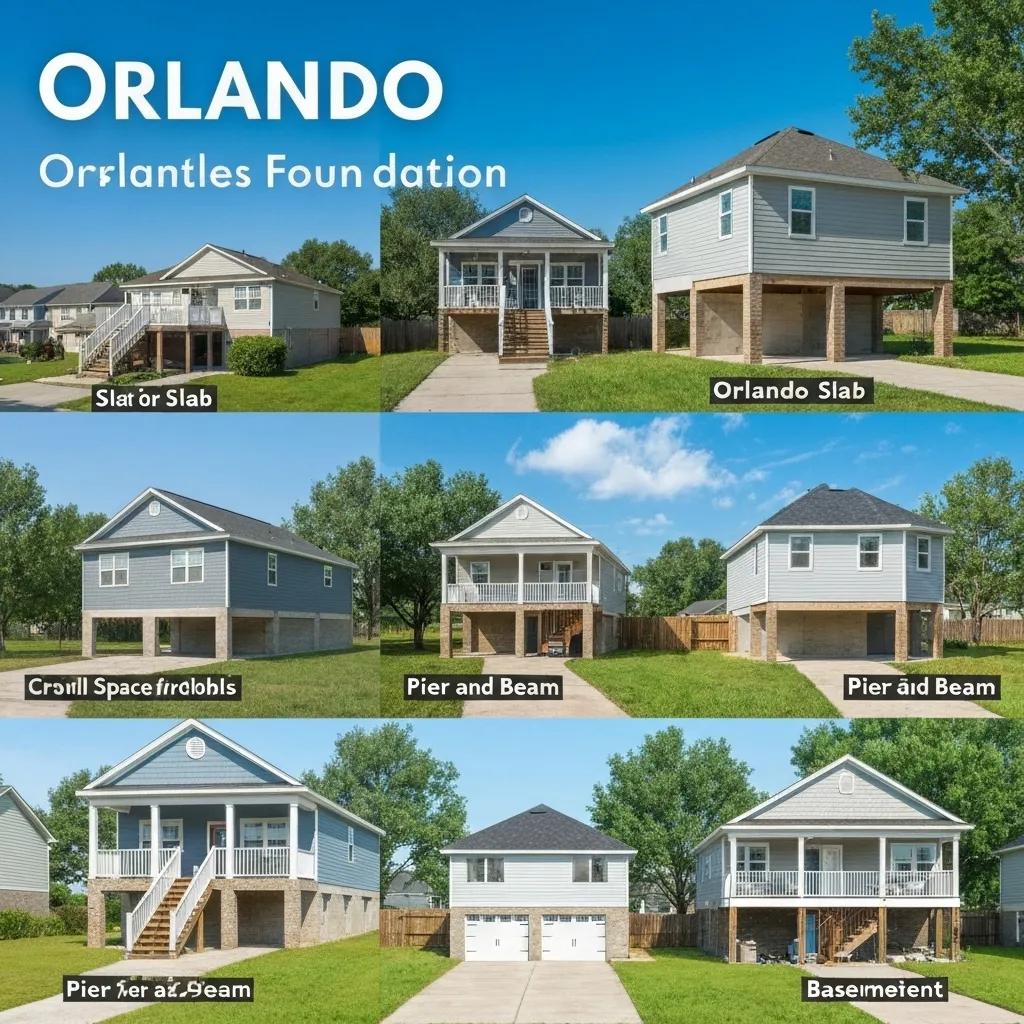
Your foundation type dictates how your structure transfers weight to the ground, influencing moisture control and load distribution for peak performance and lasting durability. This guide helps you compare foundation types based on how well they suit local soil and construction efficiency, ultimately cutting down on repair needs and long-term costs. Florida construction mainly uses four foundation types that balance cost, speed, and resilience in sandy or sticky clay soils.
- Slab Foundations
- Crawl Space Foundations
- Pier and Beam Foundations
- Basement Foundations
Each option has its own structural advantages and disadvantages, helping you decide what’s best for Orlando’s environment. We understand that selecting the right type of home foundations is a critical decision for any homeowner.
Slab Foundations in Florida
A slab foundation is a single concrete pad poured directly on the ground. It spreads structural weight evenly and simplifies excavation, leading to quicker builds and lower costs. When sealed properly, its solid concrete surface blocks termites and resists ground moisture, creating a tough base perfect for Orlando’s high water table and warm weather. This concrete slab foundation is a popular choice for many reasons.
Key advantages of slab foundations:
- Fast construction with minimal digging
- Lower costs for materials and labor
- Less chance of pests and moisture getting in
These benefits explain why over half of Florida homes have slab foundations, setting the stage for considering other foundation options.
Crawl Space Foundations: Pros and Cons
A crawl space foundation lifts the floor system off short concrete or block walls, creating a usable space for utilities and allowing ventilation to fight ground moisture and mold. This elevated design makes installing mechanical systems easier and allows for simpler checks of plumbing and electrical lines, improving maintenance efficiency and indoor air quality.
Pros of crawl space foundations:
- Easy access for repairs and upgrades
- Better ventilation reduces moisture damage
- Space for insulation under the floor
Cons of crawl space foundations:
- Can get humid without proper sealing
- Higher initial excavation costs than slabs
- Risk of pests if not sealed correctly
Understanding these trade-offs helps homeowners choose moisture control strategies for Orlando’s humid climate.
Pier and Beam Foundations for Orlando Properties
A pier and beam foundation uses deep concrete piers or steel piles to support horizontal beams, lifting the structure above unstable soil or flood-prone areas. It offers excellent adaptability to settlement and ground shifts. This system isolates vertical loads onto individual piers and allows for easy leveling adjustments, ensuring long-term stability in areas with varied soil types. Our team at FRC Foundation Repair Orlando frequently works with pier foundations, recognizing their importance in challenging soil conditions.
Ideal uses for pier and beam foundations:
- Building on sloped or marshy lots
- Areas with high sinkhole risk need deep anchoring
- Historic or custom homes that benefit from raised floors
These features make pier and beam a great choice for Orlando properties with tricky underground conditions.
Basement Foundations Are Rare in Florida Homes
A basement foundation creates an underground level by digging below ground and installing retaining walls. It offers extra living or storage space but requires extensive waterproofing and drainage to handle Orlando’s high water table and flood potential. While common up north, basements are rare in Florida due to the high risk of groundwater intrusion and high construction costs.
Key things to consider for basement foundations in Florida:
- Strong exterior waterproofing systems are a must
- Sump pumps and drainage systems need to run constantly
- Higher costs for excavation and foundation wall reinforcement
For most Orlando homeowners, other foundation types offer more affordable and less risky solutions.
How Florida’s Soil and Climate Affect Foundation Choices
How well your foundation performs depends on soil types and local weather, which cause ground movement, moisture changes, and structural stress—all critical factors in preventing foundation damage and ensuring long-term resilience. Knowing these influences helps you pick a foundation type that works with Orlando’s clay content, stormwater runoff, and sinkhole risks.
Soil Types in Orlando That Cause Foundation Problems
Orlando’s underground is made up of expansive clay and loose sandy soils that shift with moisture changes and settlement, causing uneven movement and cracks in rigid foundation systems. Clay expands when wet and shrinks when dry, while sandy layers offer weak lateral support, both increasing the chance of uneven settling and bowing walls. These are some of the most common foundation problems we encounter.
Key soil hazards in Orlando:
- High clay content ↑ volume changes
- Loose sand layers’ ↓ bearing capacity
- Limestone bedrock corrosion ↑ sinkhole formation
These soil behaviors highlight the importance of proper site evaluation when comparing foundation types for homes in Orlando’s varied terrain.
How Heavy Rainfall Influences Foundation Stability
Too much rain saturates the topsoil and raises the water table, weakening foundation soils and increasing pressure against basement walls. Good waterproofing and surface drainage move stormwater away from the foundation, reducing soil erosion and lessening the sideways forces that can cause cracks and bowing.
Essential moisture control strategies:
- Install gutters and downspouts that drain at least 5 feet from the foundation
- Use perimeter French drains to manage underground water
- Apply waterproof membranes to the outside of foundation walls
Sinkhole Activity as a Critical Factor in Orlando Foundation Repair
Sinkholes happen when acidic groundwater dissolves the limestone underneath, creating holes that collapse under surface weight and weaken foundation support. Dealing with sinkhole risks requires special geotechnical studies and targeted fixes, like filling voids with grout or installing deep piers that go past unstable layers. Our team at Foundation Repair Orlando FL is equipped to handle these complex situations.
Sinkhole repair methods include:
- Compaction grouting to fill underground voids
- Helical or push piers anchored into bedrock
- Site monitoring to catch ground movement early
Understanding how sinkholes form helps you choose strong foundation or repair solutions that stabilize Orlando homes.
Telltale Signs of Foundation Problems in Orlando Homes
Foundation issues manifest as structural distortions and material damage, signaling the need for quick action to avoid costly repairs and keep property values up. Spotting these signs helps homeowners call for professional inspections before small problems turn into major structural failures. Recognizing these common foundation problems early is key to preventing more extensive damage.
Identifying Foundation Cracks and Settlement Issues
Foundation cracks appear as horizontal, vertical, or stair-step fissures in walls, slabs, and brickwork, indicating soil movement or uneven settling underneath the structure. Watching how crack width and progression change over time reveals active shifts, allowing for targeted repairs before wider structural damage occurs.
Common crack characteristics:
- Horizontal cracks in block walls → sideways pressure
- Vertical cracks in concrete slabs → shrinking or settling
- Stair-step cracks in masonry → combined shear and settling forces
Accurate crack assessment guides the right foundation strengthening methods.
Common Symptoms Like Uneven Floors and Sticking Doors
Uneven floors, sloping interior surfaces, and doors or windows that stick or won’t latch properly are caused by uneven settling that throws off the framing and openings. These visible clues often appear before wall cracks, serving as early warnings of foundation movement.
Key signs you can see:
- Floor slopes greater than 1 inch over 10 feet
- Doors or windows binding in their frames
- Gaps between walls, ceilings or floors
Noticing these symptoms means it’s time for a thorough foundation check by qualified technicians.
When Homeowners Should Seek Professional Foundation Inspections
Homeowners should book foundation inspections as soon as they notice signs of trouble, after major storms, or when buying property in high-risk areas. Early diagnostics and structural checks by licensed contractors allow for affordable repairs that stabilize the foundation before damage spreads.
When to get an inspection:
- Immediately, when you see new cracks or misalignments
- After periods of heavy rain or drought
- Following sinkhole reports or nearby ground collapses
Getting a professional check quickly ensures structural safety and long-term peace of mind.
Top Foundation Repair Methods for Florida Homes
Effective foundation repair methods tackle underlying soil instability and structural damage, restoring load-bearing capacity and preventing future issues. Choosing the right technique depends on soil conditions, foundation type, and the severity of the problem, ensuring lasting stability suited for Orlando’s environment. We specialize in a range of Foundation Repair Orlando FL services, including repairs for various concrete foundations.
How Helical Piers and Push Piers Stabilize Foundations
Helical piers and push piers transfer building loads through unstable soils to deeper, more solid ground, providing adjustable support and preventing further settling. Helical piers use screw-like plates to anchor into firm layers, while push piers use hydraulic force to drive steel shafts down to bedrock.
The Role of Polyurethane Injection in Foundation Repair
Polyurethane injection fills voids under slabs or around piers with expanding foam that lifts settled concrete and seals porous soils, improving load distribution and moisture resistance. This minimally invasive method helps level slabs and stops soil erosion while quickly hardening to full strength.
Benefits of polyurethane injection:
- Hardens quickly in 15–30 minutes
- Lightweight foam adds no extra load
- Seals soil gaps to prevent future washout
How Crawl Space Encapsulation Prevents Moisture Damage
Crawl space encapsulation involves installing a vapor barrier on the floor and walls, blocking ground moisture and creating a controlled space that reduces mold and wood rot. When combined with dehumidifiers and proper ventilation, encapsulation keeps the subfloor dry and extends the foundation’s life.
Key elements of encapsulation:
- Tough polyethylene liner
- Sealed openings around piers and utilities
- Built-in drainage channels and a sump pump
When Concrete Leveling is Necessary for Slab Foundations
Concrete leveling, also called slabjacking or mudjacking, fixes uneven slabs by injecting grout underneath sunken areas to lift surfaces and fill gaps. This repair addresses tripping hazards, water pooling, and misaligned framing caused by settling in unreinforced slab foundations.
Signs you need concrete leveling:
- Water collecting on outdoor patios or driveways
- Interior slab dips are causing doors to stick
- Cracks indicating unsupported voids under the slab
Typical Cost for Foundation Repair in Orlando, FL
Foundation repair costs depend on the extent of the damage, the foundation type, soil conditions, and the repair method chosen, helping homeowners budget and plan. Knowing the cost factors and typical price ranges allows for smart planning and reduces the chance of unexpected expenses during repairs. Our Foundation Repair Orlando FL services are competitively priced.
Factors Influencing the Cost of Foundation Repair
Several things affect repair estimates, including:
- Foundation type (slab, crawl space, pier and beam)
- How much and where the structural damage is
- Soil makeup and moisture control needs
- How easy it is to access, and any landscaping changes needed
- Warranty coverage and inspection fees
Reviewing these factors with our Orlando team ensures accurate, clear quotes and the best repair plan.
The Typical Price Range for Orlando Foundation Repairs
These estimates include labor, materials, and moisture control, helping you compare options and budget effectively.
Availability of Free Foundation Inspections and Warranties
We provide free foundation inspections and detailed reports that pinpoint issues, suggest solutions, and give cost estimates with no obligation. Our transferable warranties cover installed piers and repairs for up to 25 years, giving homeowners confidence in long-term performance and value protection.
How to Choose the Right Foundation Type for Your Orlando Home
Picking the best foundation means balancing local soil conditions, structural needs, budget, and long-term upkeep to ensure reliable performance and minimize future repairs. A professional assessment combined with a clear look at the pros and cons leads to a smart foundation choice tailored to your property’s specifics.
Foundation Types Best Suited for Florida’s Climate and Soil
Foundations that perform well in Orlando’s conditions include:
- Slab Foundations: Affordable and termite-resistant for stable, slightly expansive soils
- Pier and Beam Foundations: Deep anchoring for high sinkhole risk or weak subsoil support
- Crawl Space Foundations: Elevated design for better ventilation and moisture management
We help homeowners navigate these choices, ensuring they select the most appropriate type of home foundations for their specific needs.
How Pros and Cons of Each Foundation Type Affect Your Choice
Understanding these trade-offs clarifies which foundation best fits your project goals and site conditions.
Consulting a Structural Engineer or Foundation Contractor
Get in touch with a qualified structural engineer or experienced foundation contractor when:
- Soil tests show high clay content or sinkhole signs
- The planned construction involves multiple stories or heavy loads
- Initial inspections reveal significant settling
- You need detailed design calculations or specialized repairs
Professional advice ensures compliance with local building codes and optimal structural performance.
Best Practices to Prevent Foundation Problems in Florida
Preventive steps focus on managing moisture, proper landscaping, and regular checks that together maintain soil stability and protect against foundation damage. Proactive care extends the foundation’s life and reduces the need for major repairs in Orlando’s challenging environment. We are experts in Foundation Repair Orlando FL and offer preventative advice. Our goal is to help you avoid the common issues that affect concrete foundations.
How Proper Drainage Protects Your Foundation
Effective drainage systems move surface and underground water away from foundation footings, reducing soil saturation, erosion, and hydrostatic pressure that cause cracks and settling.
- Grade landscaping to slope away from the foundation for at least 5 feet
- Install gutters and downspouts with splash blocks or underground drains
- Maintain perimeter French drains to collect and redirect groundwater
Landscaping and Watering Tips to Maintain Foundation Stability
Smart landscaping choices limit water buildup near foundation walls and avoid root systems that can destabilize soil:
- Plant drought-tolerant shrubs at least 3 feet from the foundation
- Use drip irrigation systems with timers to prevent overwatering
- Avoid planting large trees right next to the structure to prevent root intrusion
How Regular Inspections and Maintenance Extend Foundation Life
Annual or semi-annual foundation assessments identify early signs of movement, water intrusion, and structural stress, allowing for timely repairs that prevent worsening and preserve property value. Our team at FRC Foundation Repair Orlando is ready to help you compare foundation types, spot early warning signs, and implement proven repair or prevention strategies. By understanding how local soil and climate affect your home, you can choose the best foundation and book a free inspection to ensure long-term stability. Trust our expertise to protect your property and give you peace of mind in Florida’s tough conditions.